The Shelf That Says You’re Lucky: Turning Small Treasures Into Everyday Joy
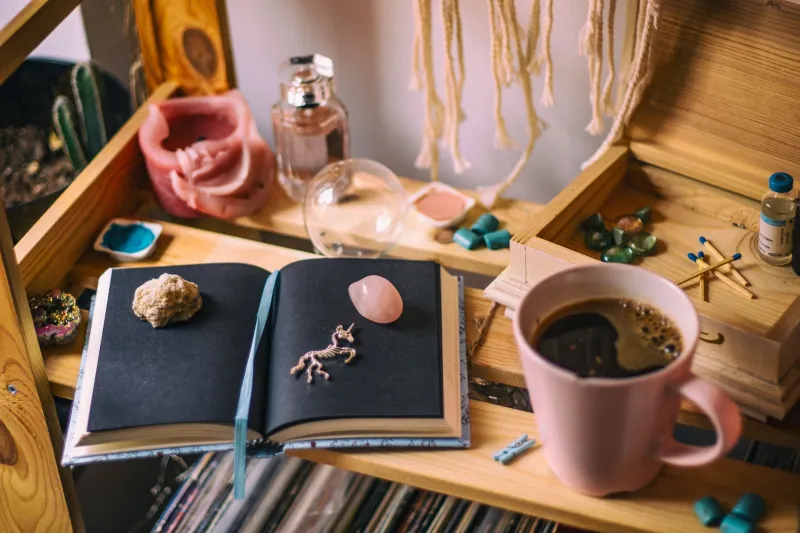
There is a certain kind of shelf in certain kinds of homes. It is not styled by a professional. It holds a ticket stub, a chipped teacup, a smooth stone from a beach you almost forgot, a tiny brass animal with one crooked ear. Nothing on it is expensive. Everything on it means something.
You might call it a curiosity shelf. I call it a luck shelf, because surrounding yourself with small reminders of good moments is a practical way to feel a little more charmed by your own life.
Why Small Objects Carry So Much Weight
A souvenir does not have to come from a gift shop. The strongest objects are often the ones that arrived by accident. A matchbook from a first date. A shell your kid handed you with great seriousness. A key that no longer opens anything but still feels like possibility.
These objects work because they are portable memories. You look at them and your brain supplies the rest: the weather, the person, the joke, the relief. That is not superstition. That is the everyday magic of association.
A curiosity shelf gives those associations a place to live. Instead of hiding in a junk drawer or a shoe box, they become part of the room. They become a small visual argument that your life has contained good things, and likely will again.
Start With What You Already Keep
Before you buy a single thing, look for the objects you cannot quite throw away. Check the kitchen junk drawer, the top of your closet, the bottom of your bag, the little dish by the door. You are not looking for valuables. You are looking for keepsakes with a pulse.
Good candidates include ticket stubs, smooth stones, postcards, foreign coins, old keys, pressed flowers, tiny toys, matchbooks, sea glass, ribbon from a gift, a shell, a fortune from a cookie, a bead, a business card from a place that made you laugh.
Pick five to seven objects. More than that can start to feel like a crowd. You can always rotate later.
The 20-Minute Starter Ritual
Set a timer for twenty minutes. Clear one shelf, ledge, windowsill, or the top of a low bookcase. Wipe it down. Then place your objects without overthinking.
Try this order: put the object with the strongest story in the middle. Add two objects that feel visually pleasing beside it. Fill the remaining spots with things that make you smile. Step back. Move one thing. Step back again. Stop before it feels too deliberate.
A curiosity shelf should look a little like a conversation, not a catalog. A little unevenness is good. A small gap is fine. You are not decorating a hotel lobby. You are making a place for your own strange, specific life.
Arrange for Delight, Not Perfection
Use height. Stack two books, set a tiny object on top, and let the shelf breathe. Mix textures: metal, paper, stone, fabric, glass. Give the eye somewhere to rest with a small empty space.
If you have a shallow dish, use it to hold smaller treasures like coins, buttons, or shells. If you have a postcard you love, lean it against the wall instead of framing it. If something is fragile, put it toward the back. If something is tiny, put it where you will actually see it.
The best arrangement is the one that makes you pause when you walk by. That pause is the whole point.
Thrift-Store Sourcing Without Clutter
Thrift stores are excellent for curiosity shelves because they are full of small, inexpensive objects with previous lives. Look for tiny ceramic animals, odd little dishes, wooden blocks, old postcards, costume jewelry, brass figurines, and books with beautiful covers.
Set one rule before you go: only buy something if you can imagine its story in one sentence. A tiny copper turtle because it reminds you of your grandmother’s garden. A chipped blue dish because it looks like the one from your favorite diner. A vintage key because it feels like a secret.
If you cannot imagine the sentence, leave it on the shelf. The goal is charm, not accumulation. A curiosity shelf works because it is edited.
Labels That Tell a Story
You do not need museum labels, but a tiny note can turn an object from decoration into a keepsake. Write the story on a small piece of paper and tuck it under the object, or use a label maker if that brings you joy.
Keep it short. Found on the beach in Maine, 2019. From the diner where we ordered pie at midnight. Grandma’s button tin. First concert, terrible seats, great night.
If you have kids or roommates, invite them to add a label to one object. A household shelf gets more interesting when more than one person contributes a memory.
Rotate and Refresh
A curiosity shelf does not have to stay the same forever. Every few months, swap in something new and let another object rest in a drawer. This keeps the shelf fresh and gives old treasures a chance to surprise you again.
Seasonal rotation is especially nice in November 2026. Add a pinecone, a Thanksgiving place card, a piece of fall ribbon, or a photo from a past holiday. In summer, trade it for sea glass or a postcard from a road trip. The shelf becomes a small calendar of your own good moments.
A Shelf Is a Small Reminder
Luck is not only what happens to you. It is also what you notice, keep, and place where you can see it. A curiosity shelf is a quiet way of saying: this happened, and it mattered. This person was here. This day was good. This strange little object makes me happy for reasons I can barely explain.
You do not need a perfect home or a big budget. You need a shelf, a few treasures, and twenty minutes. That is enough to make a small corner of your space feel like it is on your side.